
Now watch the moves
get made.
The book gave you all 17 plays. The Adjustment Club Online Course is where Mike and Joe walk you through every one on real trades - entry, pressure, adjustment, outcome. Seven modules. No theory without trades.
 Michael Wade
Author · Founder, MWTC
Michael Wade
Author · Founder, MWTC
 Joe Contes
Contributing Author · Senior Coach
Joe Contes
Contributing Author · Senior Coach
$797 for book owners (reg. $997) · One-time payment · Instant access
Trading Experience
Adjustments
Real Trades
Coached
You saw three of the moves.
There are fourteen more.
The Squeeze Play, House Money, Spread the Spread - those three lessons showed you how adjustments actually work on a live risk graph. The full course picks up right where they left off.
Seven modules. All 17 adjustments. Mike and Joe teach every one on real positions - the same kind of trades they work through inside the Trade Club every morning.
You already have the playbook. This is the film room.
Stop hoping.
Start adjusting.
Most traders enter a position, watch the market move, and pray. Hope and faith are not strategies - they're emotional defaults that wreck trades. These two risk graphs show exactly what changes when you know what to do. Click either image to inspect it.
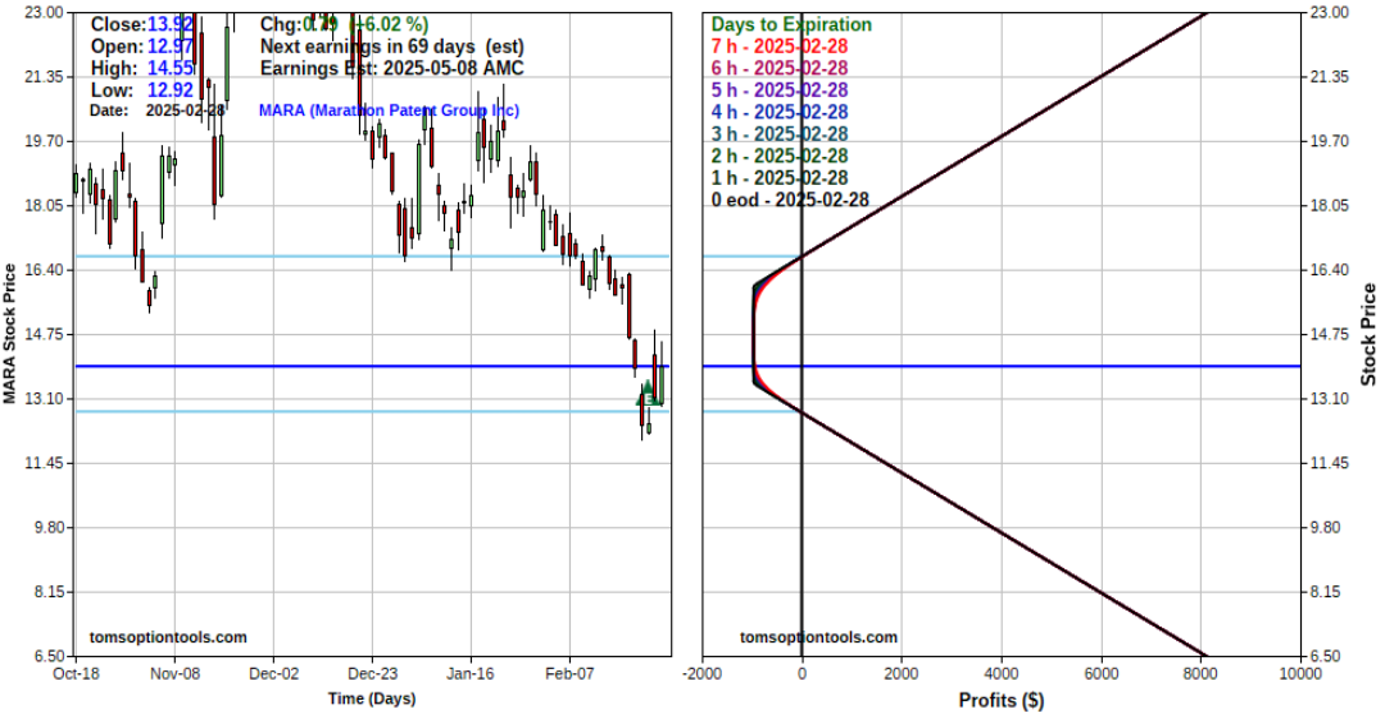
Without knowing how to adjust, you're essentially gambling. A few unexpected moves can wipe out months of gains.
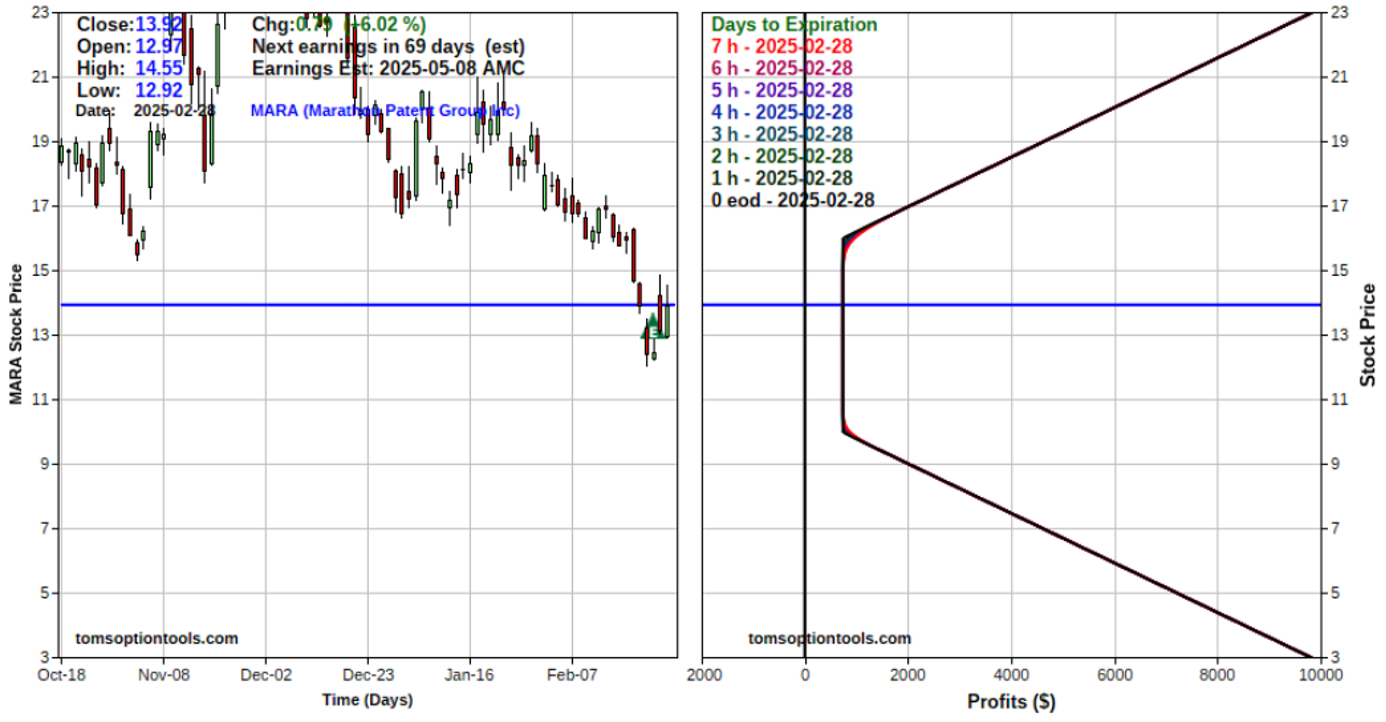
The same trade - adjusted. This is what 17 named moves give you: a response for every scenario, on demand.
Heavy content.
Easy to digest.
Every adjustment is named, illustrated, and walked through on a real trade - so it sticks the first time.

Learn the Moves
Core adjustment techniques explained simply - complex strategies made accessible for all experience levels.

Insights from Pros
Build the muscle memory and mindset to react with confidence, adjust with precision, and maximize your probability of success.

Think Like a Master
Deep dive into the Greeks, planning, and probability - the analytical mindset needed for consistent trading success.
Each one named. Each one battle-tested. Walked through with real trades and side-by-side risk graph comparisons - you'll see them made on live positions.






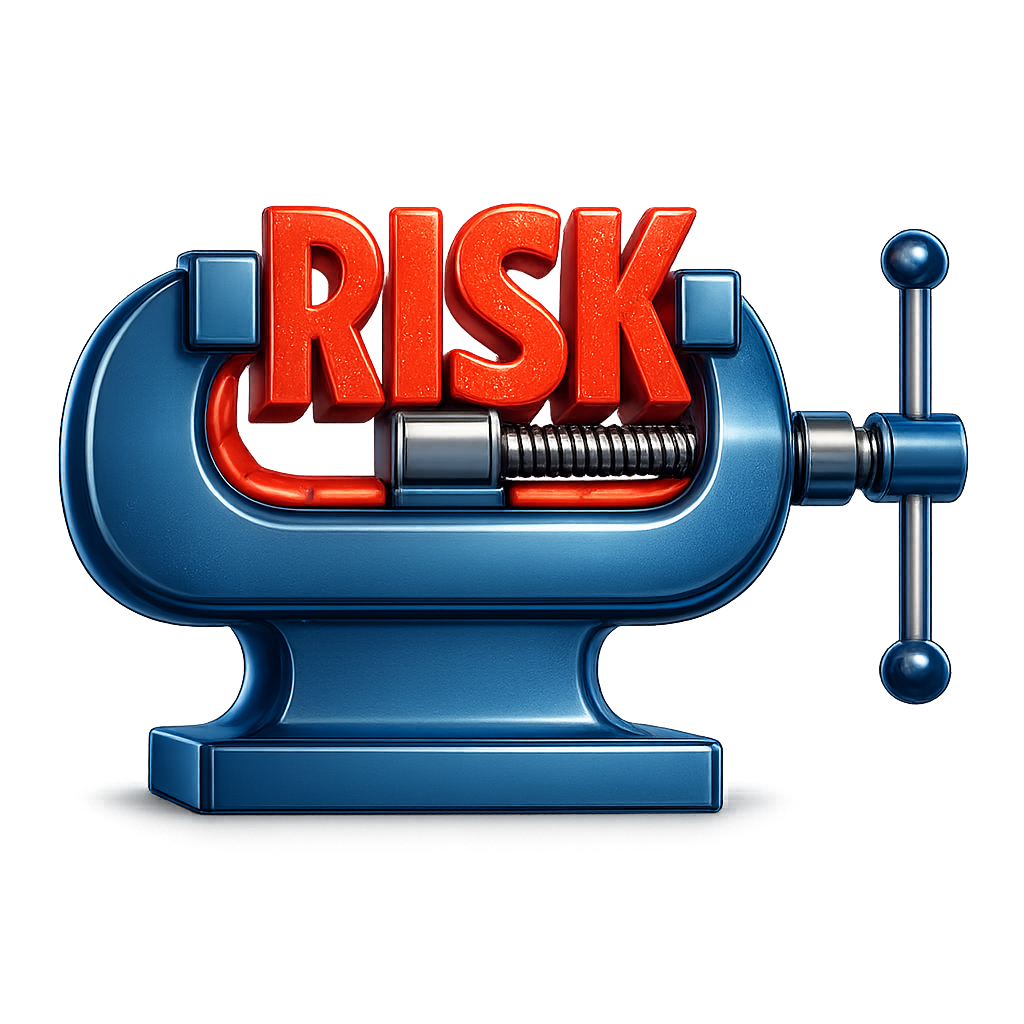

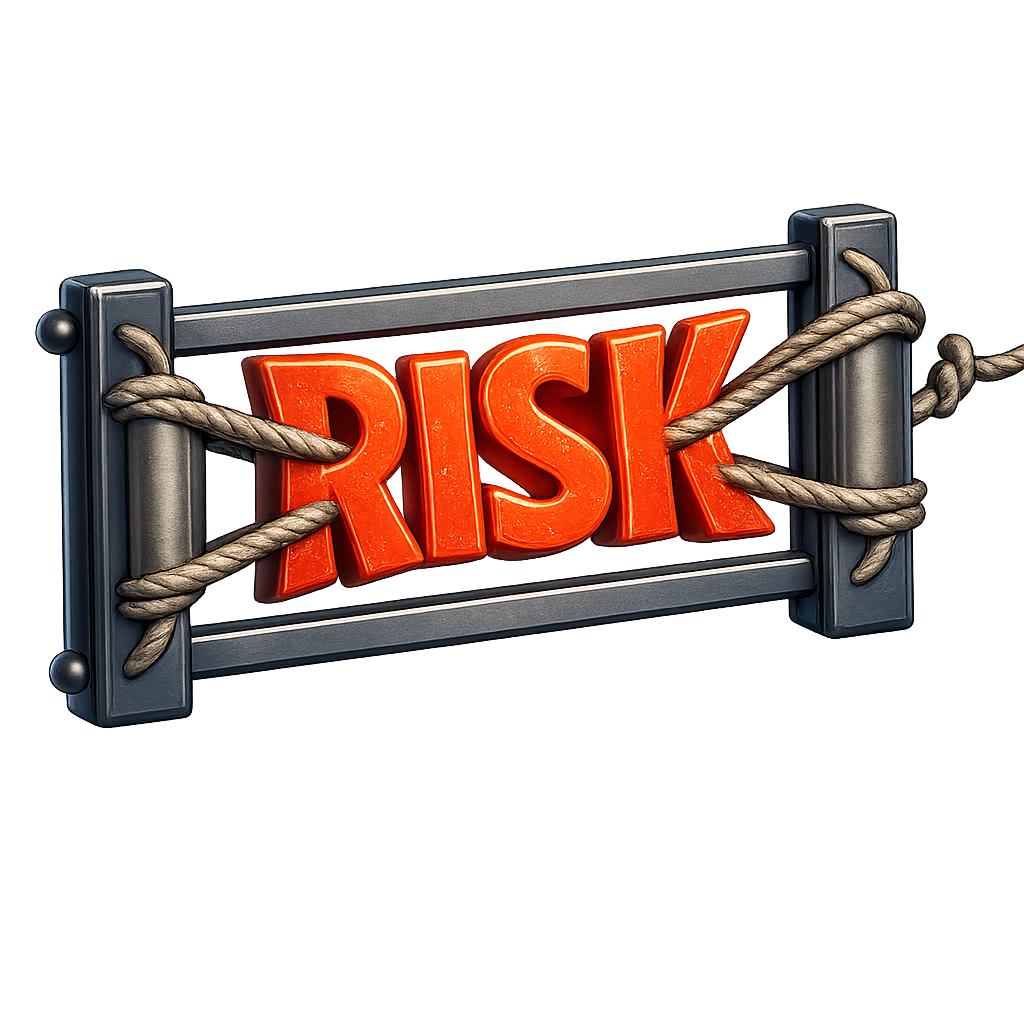








This isn't theory. You'll see them made on real positions - side by side on the risk graph.
★ BOOK OWNER EXCLUSIVE - SPECIAL PRICING + $397 BONUS INCLUDED ★
Plus a bonus worth
$397.
Because you bought the book, you get it at $797 instead of $997. One-time payment. Instant access. Self-paced.


Your investment today
One-time payment · Instant access · Self-paced
7-day refund guarantee · No subscription · Card charged once

7 Modules of Training
Step-by-step instruction on all 17 adjustments - foundations to advanced multi-structure plays.

Real Trades, Live Risk Graphs
Mike & Joe walk every adjustment on live positions - not slides, not hypotheticals.

The Options Adjustment Playbook
17 named adjustments, real case studies. Your permanent reference guide.

AI Transcriptions Included
Every lesson transcribed - review, search, and reference at your pace.

Private Discussion Forum
Deep dives, trade sharing, and collaborative learning with serious traders.

1-Year Lesson Access
All videos and transcriptions for 12 months. Playbook yours permanently.
30-Day Free Trial - MWTC Trade Club ($397 value)
We want you to take these adjustments from theory into live practice - and the best place to do that is inside the Trade Club alongside Mike, Joe, and a community of serious traders doing it every day.
Your 30-day trial gives you full access to everything: the daily Community Trading Rooms, the WhatsApp group, the forum board, all course resources, and live coaching from Mike and Joe. When you complete Module 4, your trial activates and you're in.
One-time payment · Instant access · Includes 30-day Trade Club trial ($397 value) · 7-day refund guarantee
Seven modules. Every adjustment.
In order.
Each module builds on the last - from foundational logic to advanced multi-structure plays. By the end you'll know not just what each move is, but exactly when to call it.
Pony Express, Collect the Rent, DNA. The foundational moves - reducing risk and locking in profit on calls, puts, and straddles. Greeks overview included so every adjustment makes sense from lesson one.
Deep dive into Delta, Gamma, Vega, and Theta - then a framework for managing the full adjustment process. Align your Greeks to your trade prognosis and apply the Insurance Policy for protection against directional blowouts.
Spread the Spread, Squeeze Play, Kick the Can - the three moves from the free lessons, now in full depth across every spread structure. Plus DNA on credit spreads to form condors and butterflies for more ROI.
Squeeze Play, Stretch Play, Ratioing Spreads, and Cocoon the Fly - which guarantees profit on a winning butterfly by squeezing both wings. Complete this module and your 30-day Trade Club trial activates.
Calendar spread construction, IV skew risk, and three plays: Leg Puller, Move the Catcher's Mitt, and Double Wide. Time-decay structures that hold up well in choppy, sideways markets.
Technical analysis as adjustment guidance. Kite String, Risk Reversals, Flock o' Flies, FlyCal. The complex multi-structure plays with the widest profit windows and the most flexibility in difficult markets.
Bringing it all together - a clear action plan for building mastery over time, integrating the full adjustment framework into your daily trading practice.
Book owner price · One-time · Instant access
Trade with confidence.
Control. Consistency.

No More Panic
When trades move against you, you'll have a proven system of adjustments ready to deploy instead of reacting with fear.

Clear Action Plan
Every position will have a predefined adjustment strategy - confidence and control over your trading outcomes in any situation.
Structure & Mentorship
Repeatable processes, expert guidance, and practical application create the perfect environment for mastery.

Protect & Grow Capital
Learn to protect your capital from devastating losses and transform challenged positions into profitable opportunities.

Adjust like a chess master.
Not a gambler.
Trading doesn't have to be stressful. When you have the moves, it can actually be fun.
The best traders aren't the ones with the best predictions - they're the ones who know exactly what to do when the prediction is wrong. That's the adjustment mindset. And it's a learnable skill.
Learn the Pieces
17 named adjustment strategies, each with a clear name, purpose, and trigger condition. No more guessing what to do when a trade moves against you.
Watch Them Played
Every adjustment walked through on real trades - not slides, not simulations. You see the risk graph change in real time as Mike and Joe make the move.
Build the Muscle
Repetition and live feedback inside the Trade Club until calling the right adjustment becomes second nature - the same way a chess player knows their next move before their opponent finishes theirs.
Real traders.
Real results.
"This course truly was a Ph.D. in options adjustments and trading. The drive I found in myself is still there."
"A great tool not only to open a trade but to see how you could adjust an existing one. I'm loving the adjustment course."
"There's a huge amount of learning in the community rooms. People are more than willing to work through anything you have a question on."
Members speak
for themselves.
Nine traders. Nine stories. All from inside the Adjustment Club.
Nearly two decades of trading.
Live, on camera.
Michael Wade
Mike came up under George Fontanills and Tom Gentile at Optionetics - first as a student, then teaching alongside them. 25 years in. Shows up every morning to trade live with the community. The Adjustment Club is the course he built before he wrote the book.
Joe Contes
Joe co-built the original Adjustment Club with Mike - the live class that became the foundation of the playbook. Trading and teaching alongside Mike for close to twenty years. Straight about what trading actually takes.
"Mike's one of the sharpest minds in the game. This groundbreaking book makes options adjustments accessible to traders for the first time. It's a total game-changer."- Tom Gentile, Co-founder of Optionetics · 23-year colleague and friend
7-Day Refund Guarantee
If you get in and decide the course isn't right for you, email [email protected] within 7 days of purchase. Full refund, no questions, no hassle. We stand behind our training.
Common questions.
The book is the playbook.
The course is the film room.
The Club is where you play.
Get the course at the book owner price - and we'll hand you a month inside the Trade Club to put it all into practice. $1,394 in value. $797 today.
Get the Adjustment Club Course - $797One-time payment · Instant access · Includes 30-day Trade Club trial ($397 value) · 7-day refund guarantee

© 2026 Michael Wade Trade Coaching. All rights reserved.
The Adjustment Club Online Course is an educational program and does not constitute financial or investment advice. Options trading involves substantial risk and is not appropriate for all investors. Past results are not indicative of future performance.